How to Prepare a Parcel
Important rules and recommendations on how to safely and correctly prepare your shipment for transit with Couriers for Less
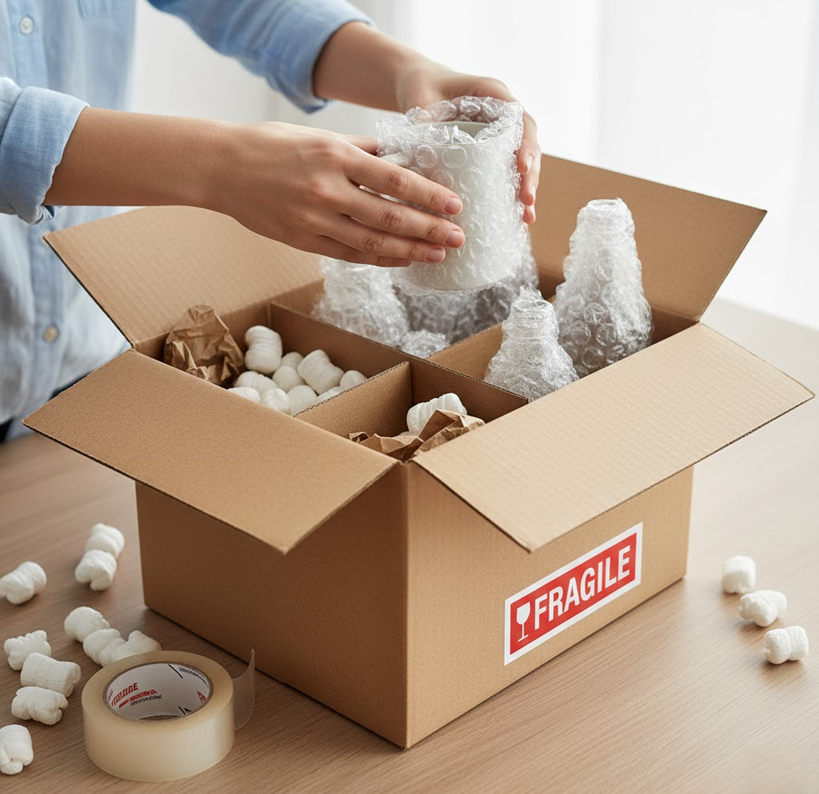
Correct Parcel Preparation – Guarantee of a Safe Journey
Every shipment encounters various loads during transit through courier terminals. To ensure your items reach the recipient safely and without damage, choose the appropriate packaging according to the type of item being sent: envelopes for documents, sturdy cardboard boxes, non-standard packaging forms, or pallets for heavy cargo.
Appropriate Container
Choose packaging that perfectly matches the size and weight of the item being sent.
Safe Preparation
Ensure internal cushioning and robust external sealing.
Read more about parcel preparation requirements and types
Why is Packaging Selection So Important?
» Carriers apply strict requirements for parcel packaging. Improperly chosen packaging or damaged containers can lead to shipment damage, and insurance payouts are not granted in such cases.
Liability for the Shipment
» Attention! In case of improper packaging, Carriers are not liable for the safe transport of the shipment, do not compensate for losses incurred, and may file a claim for damages caused to the Carrier or third parties. Insurance does not apply and compensation is not granted for shipments whose contents or packaging do not comply with the Carrier's rule requirements.
Help and Advice
» Below you will find the main types of packaging. Choose the category that suits you and learn detailed packaging instructions.

Envelope
Designed for documents, contracts, and small paper shipments.
Packing tips ➔
Box
Standard cardboard box for sending various goods and items.
Packing tips ➔
Other Packaging
For transporting irregular shapes and non-standard dimension items.
Packing tips ➔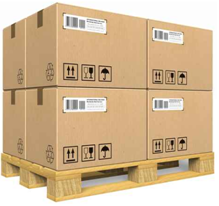
Pallet
For bulky cargo and heavy business goods.
Packing tips ➔